Your backyard holds incredible potential, waiting to become the gathering place where memories are made. While many homeowners in Fairfield County dream of creating the perfect outdoor retreat, they often struggle with how to maximize both function and beauty in their space. The solution might be simpler than you think: thoughtfully designed seating walls that seamlessly blend form with function.
Seating wall ideas for backyard spaces have evolved far beyond basic concrete blocks. Today’s innovative designs create stunning focal points while providing comfortable gathering areas for family barbecues, intimate conversations, and peaceful moments alone. Whether you’re working with a compact patio or sprawling lawn, the right seating wall can completely transform how you experience your outdoor space. For more inspiration on creating exceptional outdoor living areas, check out our guide to outdoor living space design trends for 2025.
Why Seating Walls Are Game-Changers for Outdoor Living
When homeowners in Brookfield and surrounding communities consider outdoor improvements, they often focus on decking or patios. However, seating walls offer unique advantages that make them incredibly valuable investments for any backyard transformation.
Maximizing Space Efficiency: Unlike traditional outdoor furniture that requires significant floor space, seating walls define areas while maintaining an open feel. They create natural boundaries between different zones—perhaps separating a dining area from a fire pit lounge—without blocking sightlines or making spaces feel cramped.
Year-Round Durabilit: Connecticut’s changing seasons can be tough on outdoor furniture. Seating walls built with quality materials withstand freeze-thaw cycles, summer heat, and everything Mother Nature delivers. No more hauling cushions inside during storms or replacing weather-damaged furniture every few years.
Instant Entertaining Capacity: Hosting larger gatherings becomes effortless when you have built-in seating that accommodates multiple guests. Seating walls can provide spots for 8-12 people without the furniture arrangement shuffle that often accompanies outdoor parties.

Material Mastery: Choosing the Right Foundation
The material you select for your seating wall dramatically impacts both aesthetics and longevity. Each option offers distinct advantages depending on your home’s architectural style and personal preferences. Professional seating and retaining wall installation ensures these materials are properly selected and installed for maximum durability.
Natural Stone Options
Bluestone: A Connecticut favorite, bluestone offers timeless elegance with its distinctive blue-gray coloring. This material ages beautifully and complements both traditional colonials and modern homes throughout the region. Its natural slip-resistance makes it practical for seating surfaces, while its durability ensures decades of use.
Fieldstone: For homeowners seeking a more rustic, organic appearance, fieldstone creates seating walls that look like they’ve been part of the landscape for generations. The irregular shapes and varied colors blend seamlessly with natural surroundings, making this an excellent choice for wooded lots common in Newtown and Danbury.
Manufactured Solutions
Concrete Pavers: Modern concrete pavers offer incredible versatility in colors, textures, and patterns. They provide consistent dimensions for easier installation while maintaining the ability to create curved or uniquely shaped seating areas. Many homeowners appreciate how pavers can match existing hardscaping elements.
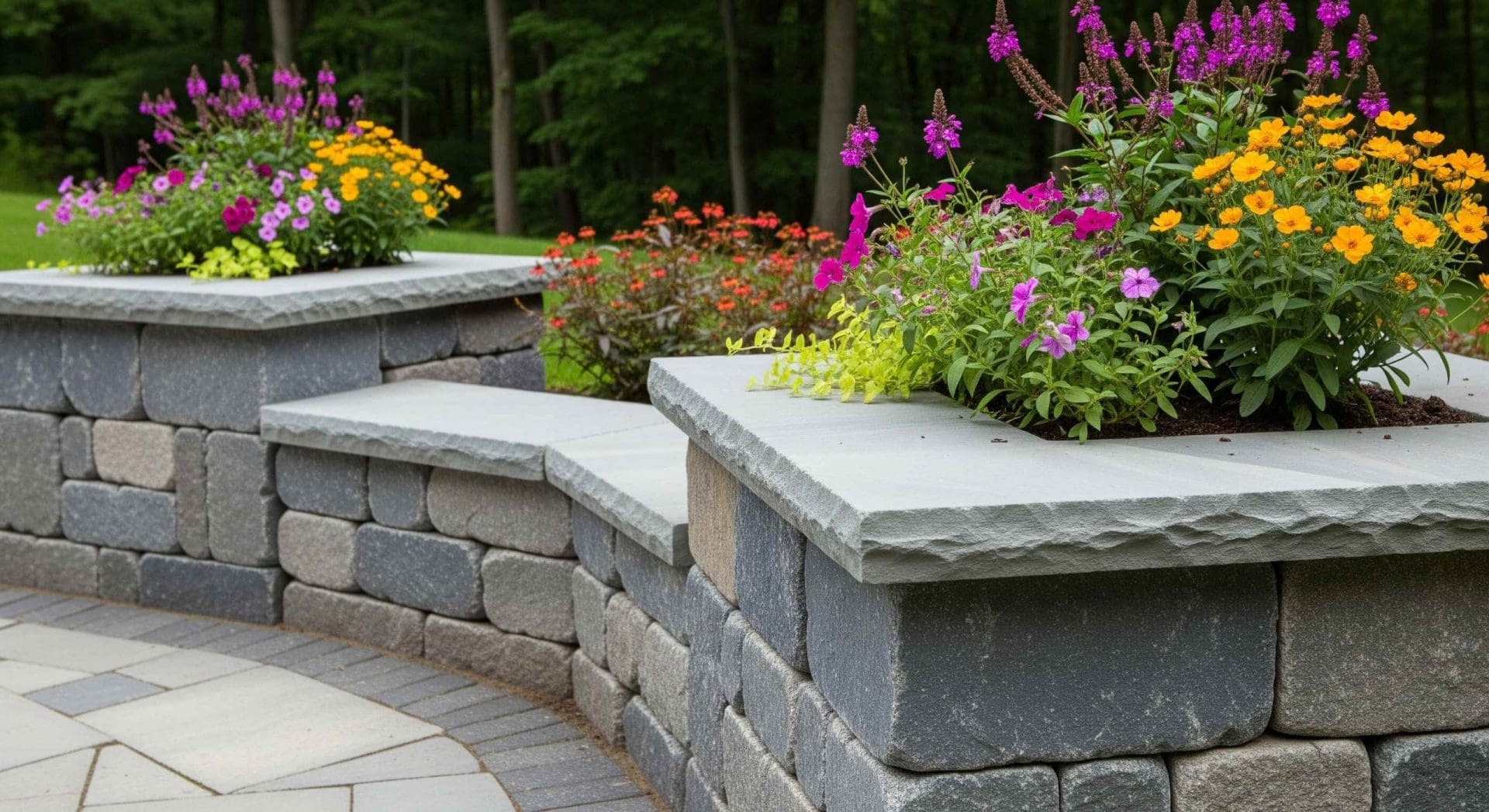
Segmental Retaining Wall Blocks: These engineered blocks combine the appearance of natural stone with the precision of manufactured materials. They’re particularly effective for seating walls that also serve structural purposes, such as terracing sloped yards or creating raised planting areas. When combined with professional patio and walkway installation, these materials create cohesive outdoor living spaces.
Design Concepts That Maximize Impact
Curved Seating for Conversation
Linear seating walls work well for many applications, but curved designs create more intimate, conversation-friendly spaces. A gentle arc around a fire pit or focal point naturally draws people together while providing comfortable sight lines for everyone seated.
Height Considerations: The ideal seating height ranges from 16 to 18 inches, with 17 inches being the sweet spot for most adults. This height allows comfortable seating while maintaining the ability to use the wall as a casual perch or extra table surface during gatherings.
Multi-Level Terracing
Sloped properties throughout Bethel and Bridgewater present unique opportunities for multi-level seating walls. These designs create terraced seating areas that follow natural contours while providing multiple gathering spots at different elevations.
Incorporating Planters: Seating walls with integrated planters serve double duty, providing both functional seating and beautiful garden displays. Consider seasonal plantings that offer color changes throughout the year, from spring bulbs to autumn mums. Our plantings and softscape services can help you design the perfect plant combinations for your integrated seating areas.
L-Shaped and Corner Configurations
Corner seating walls maximize space efficiency while creating cozy, defined areas. An L-shaped configuration can separate a seating area from the main yard while providing ample room for conversation and relaxation.
Practical Integration Strategies
Combining with Fire Features
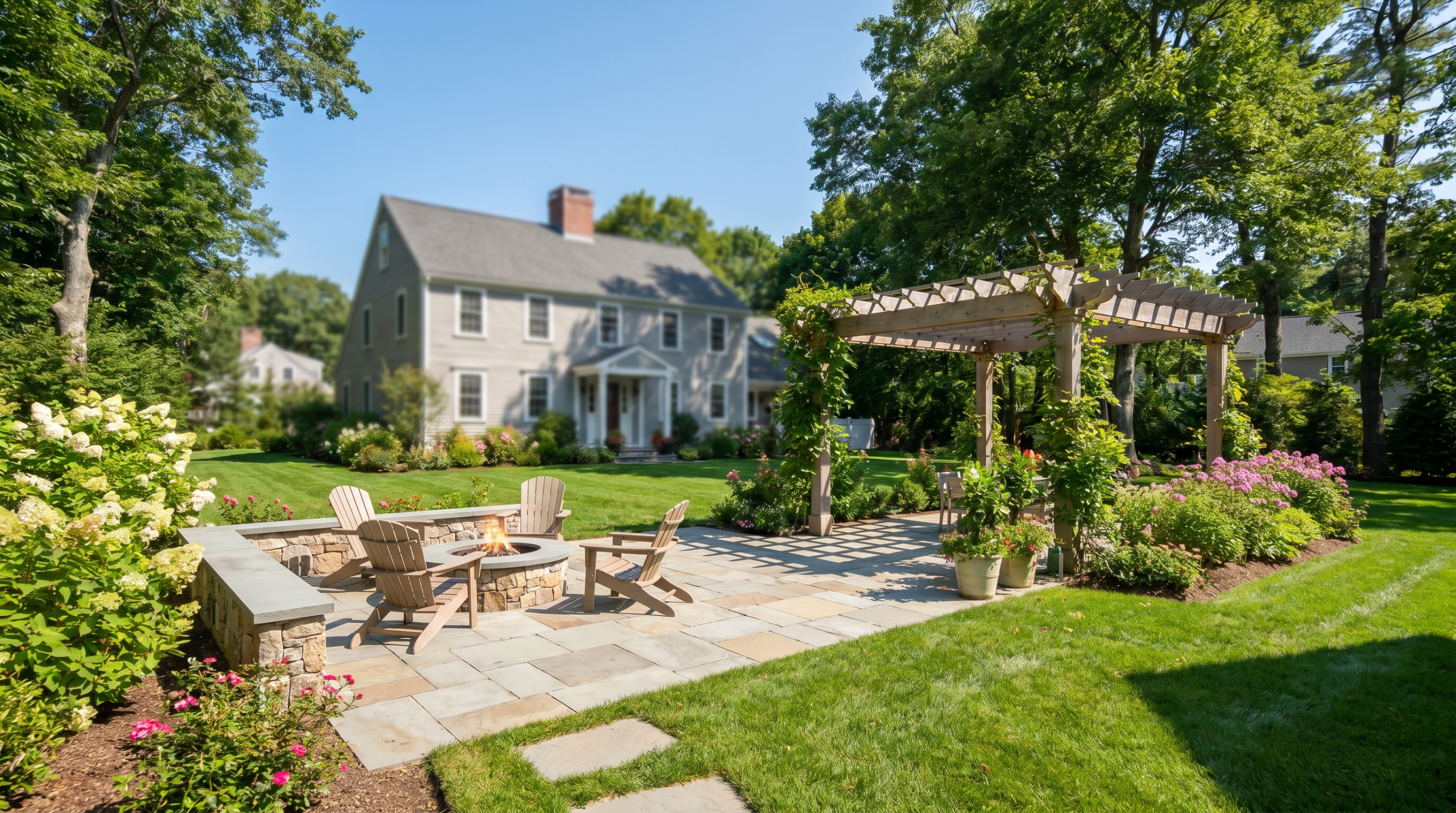
Seating walls paired with fire pits create the ultimate outdoor gathering space. Position the wall 6-8 feet from the fire source to ensure comfortable warmth without excessive heat. This distance also provides room for foot traffic and allows the fire to be enjoyed from multiple angles. Learn more about creating the perfect outdoor gathering space with our professional fire pit and outdoor fireplace installation services.
Water Feature Integration
The sound of flowing water adds tranquility to any seating area. Seating walls can incorporate water features through built-in fountains, cascading elements, or by positioning the wall to frame existing water features in your landscape.
Lighting Integration
Built-in lighting transforms seating walls from daytime features into evening focal points. LED strip lighting along the base creates subtle ambient illumination, while pillar lights at wall ends provide functional task lighting for evening entertaining.
Maintenance and Longevity Considerations
Seasonal Care Requirements
Spring Preparation: Begin each season by inspecting joints and mortar for any winter damage. Clean surfaces with appropriate cleaners for your chosen material, and address any staining or discoloration promptly.
Fall Maintenance: Before winter arrives, ensure proper drainage around seating walls to prevent frost damage. Clear any debris from integrated planters and apply protective sealers if recommended for your material choice.
Long-Term Durability Factors
Proper Foundation: Professional installation ensures proper base preparation and drainage, critical factors for preventing settling or cracking over time. A well-built seating wall can last 25-30 years with minimal maintenance.
Material-Specific Care: Different materials require different maintenance approaches. Natural stone may need occasional resealing, while concrete pavers might benefit from periodic joint sand replacement.

Cost Considerations and Value Impact
Investment Ranges
Seating wall projects typically range from $25-50 per linear foot for basic designs, with premium materials and complex configurations reaching $75-100 per linear foot. The investment often pays dividends through increased property value and enhanced outdoor living capabilities. For more inspiration on outdoor hardscaping investments, explore our guide to hardscaping ideas for Connecticut homes.
Value-Added Features
Built-in Storage: Seating walls with integrated storage compartments maximize functionality while maintaining clean lines. These features are particularly valuable for storing outdoor cushions, games, or entertaining supplies.
Electrical Integration: Pre-planning for electrical needs during construction allows for future additions like lighting, sound systems, or charging stations without disruptive retrofitting.
Working with Professional Contractors
Questions to Ask Potential Contractors
When evaluating contractors for your seating wall project, ask about their experience with similar projects in your area. Request references from recent clients and inquire about their approach to drainage and foundation preparation.
Local Experience Matters: Contractors familiar with Connecticut’s soil conditions, climate challenges, and local building codes bring valuable expertise to your project. They understand how different materials perform in our regional climate and can recommend solutions that stand the test of time. Learn more about our team’s experience and commitment to quality craftsmanship.
Project Timeline Expectations
Most seating wall projects require 3-5 days for completion, depending on complexity and weather conditions. Factor in additional time for any necessary permits and material delivery when planning your project timeline.
Bringing Your Vision to Life
The transformation from ordinary backyard to extraordinary outdoor living space begins with thoughtful planning and expert execution. Seating walls offer the perfect combination of functionality and beauty, creating gathering spaces that enhance both daily life and special occasions.
Whether you envision intimate conversation areas, grand entertaining spaces, or practical solutions for sloped terrain, the right seating wall design can make your outdoor dreams reality. With proper materials, skilled installation, and thoughtful integration with your existing landscape, these features become long-term investments in your home’s beauty and functionality. Professional landscape design and build services ensure every element works harmoniously together.
Ready to explore how seating wall ideas for backyard spaces can transform your outdoor living experience? The team at Brothers Outdoor Services has been creating stunning outdoor spaces throughout Fairfield County for over 25 years. Our design-first approach and detailed renderings help homeowners visualize their dreams before construction begins. Contact us at 475 777 3293 to schedule your consultation and discover how the right seating wall can elevate your outdoor living experience.
Frequently Asked Questions
What are the best materials for seating walls in Connecticut’s climate?
Bluestone and fieldstone are excellent natural options that withstand Connecticut’s freeze-thaw cycles. Concrete pavers and segmental retaining wall blocks offer durability with consistent dimensions. Professional seating and retaining wall installation ensures proper material selection for your specific needs.
What’s the ideal height for a backyard seating wall?
The optimal seating height ranges from 16 to 18 inches, with 17 inches being the sweet spot for most adults. This height provides comfortable seating while allowing the wall to serve as a casual perch or extra table surface during gatherings.
Can seating walls be combined with other outdoor features?
Absolutely! Seating walls pair beautifully with fire pits, water features, integrated planters, and lighting systems. Professional landscape design and build services can help create cohesive outdoor living spaces that maximize functionality.
How long do seating walls typically last?
With proper installation and materials, seating walls can last 25-30 years with minimal maintenance. The key is professional installation with proper base preparation and drainage to prevent settling or cracking over time.