
Aeration & Overseeding in Brookfield, Newtown, and Bridgewater, CT
Trust the lawn care specialists at Brothers Outdoor Services for effective aeration and overseeding services.
High-Quality Aeration and Overseeding for Connecticut Homes
Most thin, patchy lawns in Connecticut don’t need more fertilizer or more water. They need room to breathe. Years of foot traffic, mowing, and our heavy clay-and-rock soils pack the ground down until roots can’t grow and water runs off instead of soaking in. Aeration and overseeding fix the problem at the soil level, so your lawn comes back thicker and stays that way.
Signs Your Lawn Needs Aeration
- Water puddles or runs off after rain instead of soaking in
- Soil feels hard, and a screwdriver won’t push easily into the ground
- Grass is thinning in high-traffic areas like play spaces, paths, and dog runs
- Thatch is thicker than half an inch, the spongy layer between the grass and the soil
- Bare or patchy spots that don’t fill in on their own
- Your lawn hasn’t been aerated in two or more years

Reliable Lawn Aeration Removes Soil Compaction for Improved Growth
Core Aeration vs. Spike Aeration
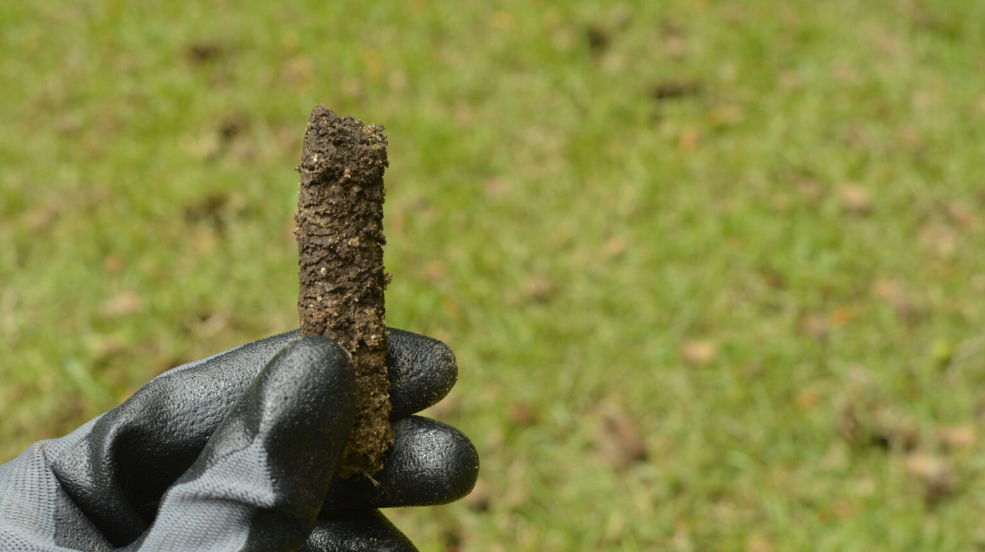
Not all aeration works the same way. Spike aeration just pokes holes in the ground, and that can pack the soil around each hole even tighter. Core aeration pulls actual plugs of soil out of the lawn, which opens real channels for air, water, and nutrients to reach the roots. We use core aeration The plugs left on the lawn break down in a week or two and return nutrients to the soil, so there’s no need to rake them up.
Seeding to Fill in Patchy Spots for a Lush, Green Lawn
After thoroughly aerating, we overseed lawns by spreading and incorporating high-quality grass seeds suitable for the area into the plug holes and bare spots. We use custom seed blends ideal for Connecticut climate and soil. Proper watering activates the grass seeds, filling in thin or damaged sections of lawn with healthy new growth.
Seed Blends We Use for Connecticut Lawns
Seeding right after core aeration gives each seed a protected pocket of loose soil to root into, which leads to much better germination than spreading seed on a hard surface. We match the seed to your yard’s sun, shade, and use instead of using one bag for every lawn.
- Tall fescue for deep roots, drought tolerance, and high-traffic areas
- Kentucky bluegrass for a dense, soft lawn that repairs itself
- Perennial ryegrass for fast germination that fills bare spots quickly
- Fine fescues for shady areas under trees
Our Aeration & Overseeding Process
- Walk the property. We check the soil, the thin spots, sun and shade, and anything that needs to be flagged. [confirm]
- Mark sprinkler heads and hazards so the aerator stays clear of irrigation lines and invisible dog fences. [confirm]
- Core aerate the whole lawn, pulling plugs up to 6 inches deep to relieve compaction.
- Overseed with a blend chosen for your lawn’s conditions, focusing on thin and bare areas.
- Apply starter fertilizer to feed the new seedlings through germination. [confirm]
- Leave you a watering plan so the new seed takes hold.
Connecticut Areas We’ve Been Proudly Serving Since 1999
Healthy, vibrant grass starts from the ground up. Our core aeration and overseeding services work together to cultivate thicker, more lush lawns resistant to weeds, droughts and high traffic.
Aeration and Overseeding Combo Ensures Thick, Resilient Turf
Our skilled Brookfield lawn care technicians schedule seasonal aeration and overseeding services at the optimal times to allow for germination and establish hardy grass coverage before summer heat or winter cold sets in. We monitor outcomes and perform follow-up care as needed to nurture the best results.
Why Fall Is the Best Time to Aerate and Overseed in Connecticut
Late August through early October is the best window for aeration and overseeding in Connecticut. The soil is still warm from summer, which helps seed germinate quickly, while cooler air takes pressure off young grass. Fall rains help with watering, and there’s far less competition from crabgrass and other summer weeds. Seed planted in the fall has months to build roots before winter, so it comes back strong in spring, well ahead of seed planted in April.
Spring aeration can still help compacted lawns, but spring seeding has to fight weeds and summer heat. If you want the best results, plan for fall.
Aeration & Overseeding FAQs
Late August through early October. Warm soil, cooler air, fall rain, and fewer weeds give new seed the best chance to establish before winter.
Wait until the new grass is about 3 to 3.5 inches tall, usually three to four weeks after seeding. Mow high with a sharp blade for the first few cuts.
Most lawns do well with aeration every one to two years. Lawns with heavy clay soil, high foot traffic, or thick thatch benefit from aeration every year.
Yes. Keep the top inch of soil lightly moist with short daily watering for the first two to three weeks, then switch to deeper, less frequent watering once the grass is up.
Yes. We core aerate first and overseed right after, so the seed lands in the freshly opened soil where it germinates best.