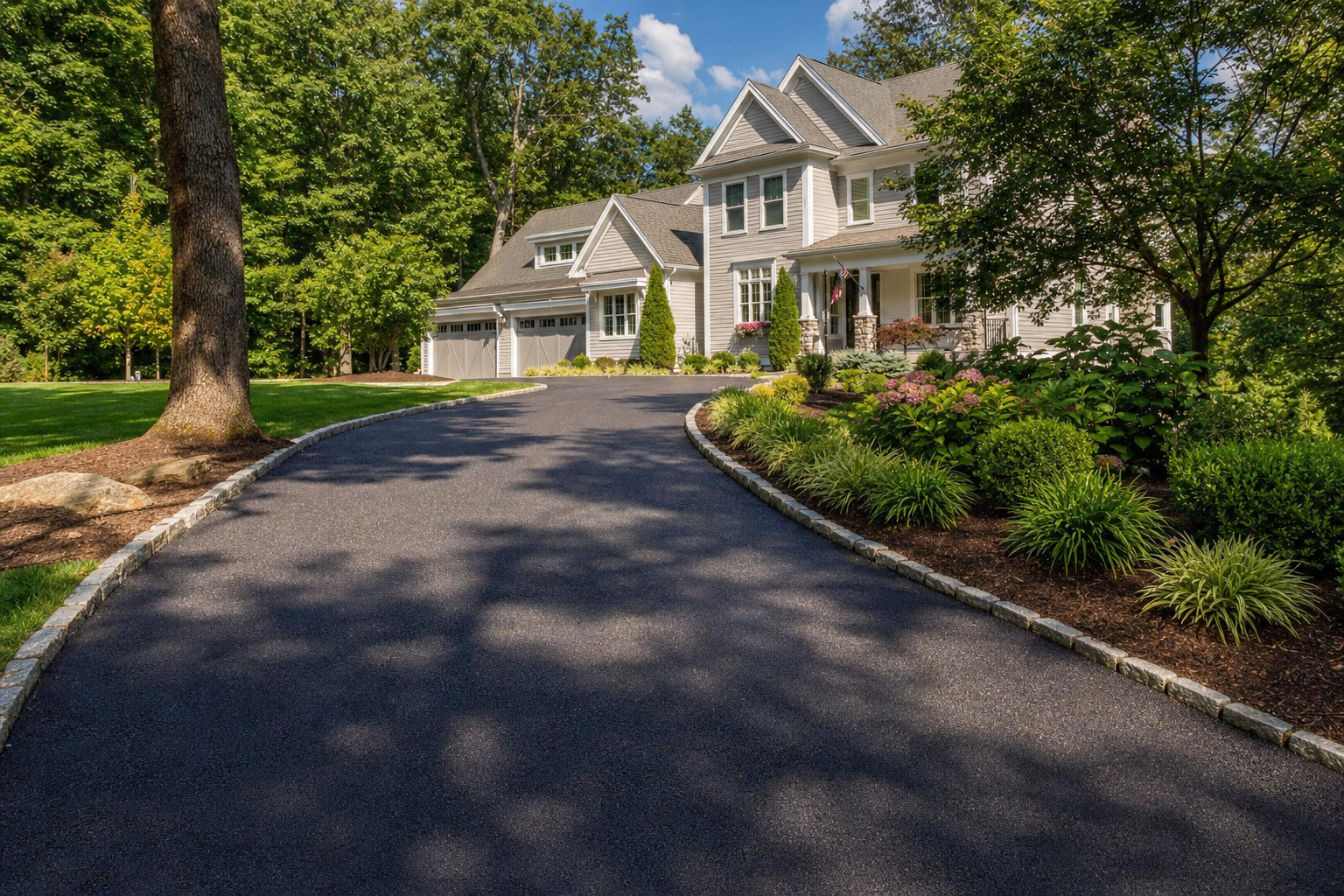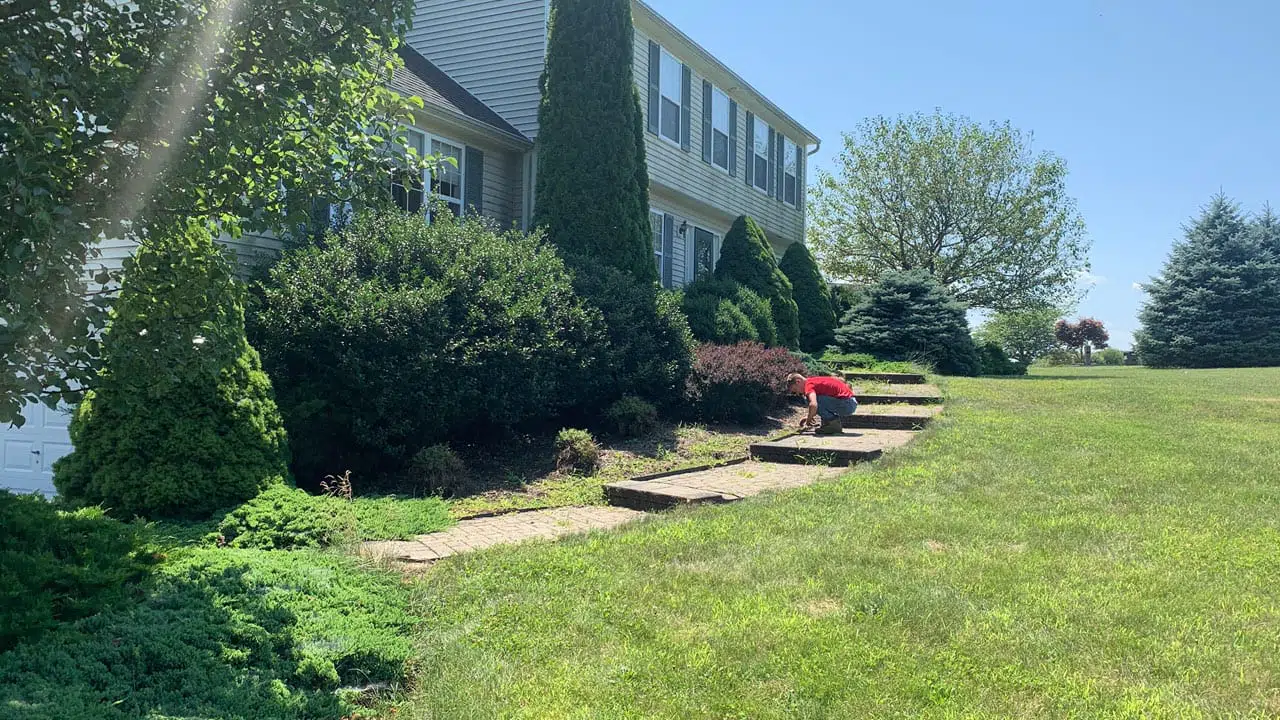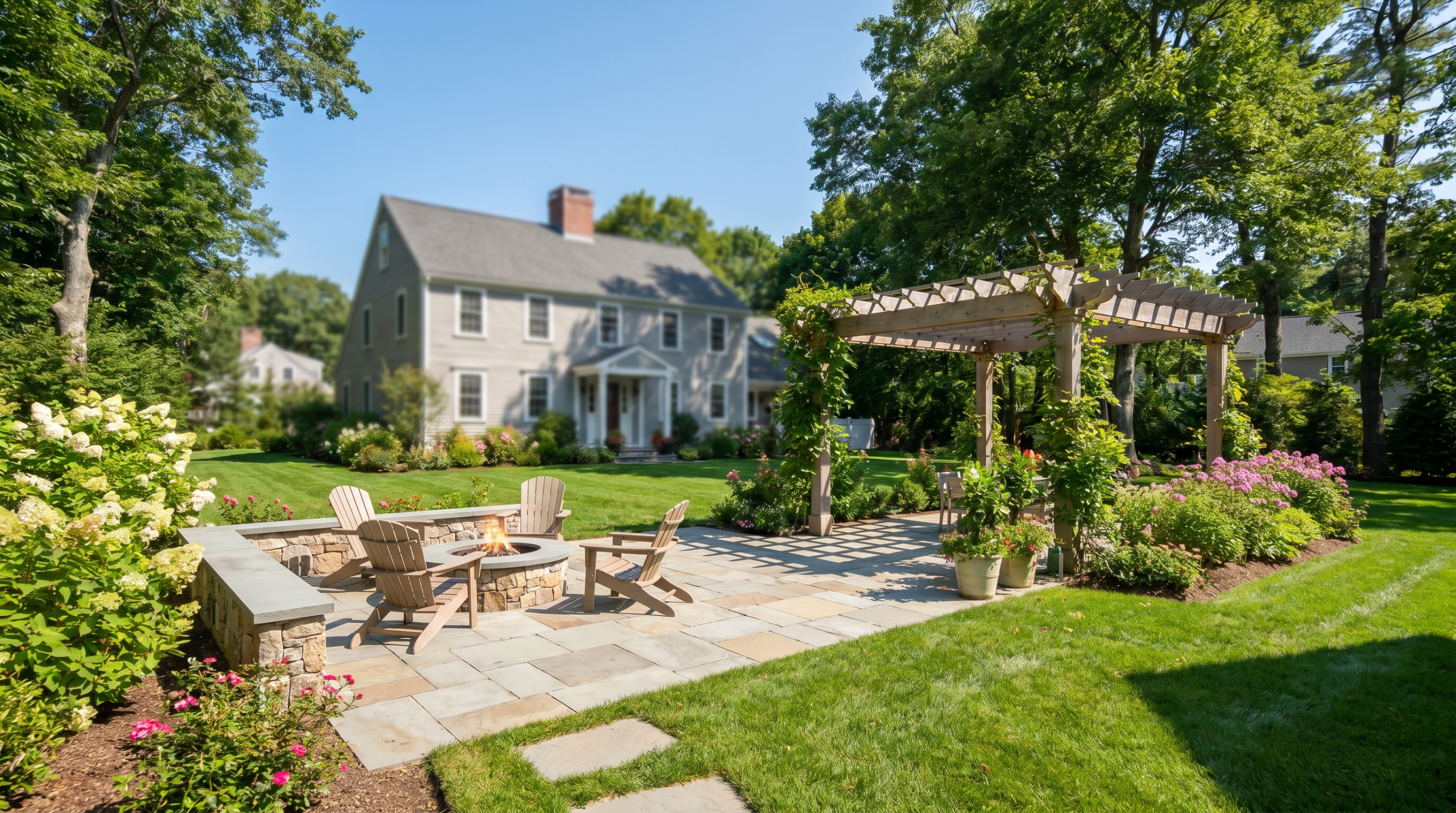
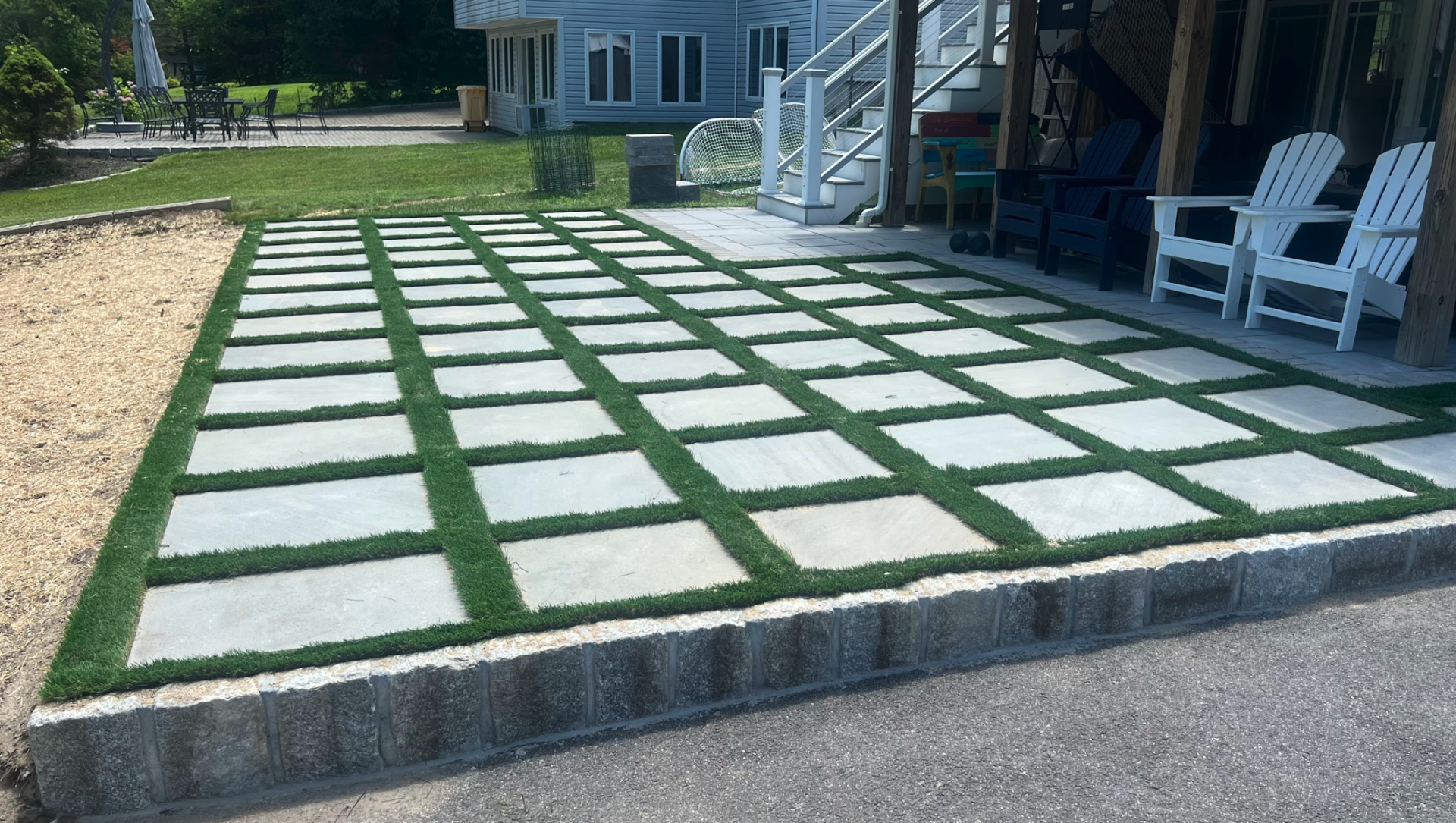
The custom patio where summer gatherings happened. The outdoor kitchen that became your warm-weather headquarters. The elegant walkway that greets every guest. These aren’t just landscaping features. They’re significant financial investments that define your property’s character and value.
While your lawn received attention last month with aeration and overseeding to prepare for winter, November brings an equally critical task. Now it’s time to protect the hardscape and outdoor living structures that make your Fairfield County property special. Understanding how to properly winterize these built elements means the difference between enjoying them for decades or facing expensive spring repairs.
For homeowners throughout Brookfield, Bridgewater, Newtown, Danbury, and Bethel, this guide focuses specifically on the structures, surfaces, and installations that Connecticut’s brutal freeze-thaw cycles threaten most.
Why Hardscapes Need Different Protection Than Your Lawn
Your lawn goes dormant and bounces back each spring. Your hardscapes don’t have that luxury.
Every patio paver, concrete driveway, stone walkway, and built structure on your property faces relentless assault from Connecticut winters. Water infiltrates tiny cracks and porous surfaces during mild days, then expands with enormous force as temperatures plummet overnight. This freeze-thaw cycle repeats dozens of times each winter, and the damage follows a predictable pattern:
- Year one: Small cracks appear and surface staining begins
- Year two: Cracks widen and pavers start shifting slightly
- Year three: Settling creates uneven surfaces and trip hazards
- Year four and beyond: Major fractures require complete replacement
What starts as minor deterioration accelerates into projects costing thousands or tens of thousands of dollars.
Unlike lawn care, which offers some forgiveness for delayed action, hardscape protection operates on a strict timeline. Once temperatures consistently drop below 50 degrees and stay there, sealing becomes impossible. The window closes fast in Connecticut, typically by late November.
Evaluating Your Hardscape Surfaces and Structures
Before any protection work begins, you need a clear picture of what needs attention. A thorough evaluation reveals which areas face the greatest risk and helps you prioritize efforts.
Start by walking your entire hardscape footprint systematically. Look for these common problem signs:
- Cracks in concrete or natural stone that allow water infiltration
- Loose or shifting pavers that indicate failed joint sand
- Damaged mortar joints between stones or bricks
- Uneven surfaces where settling has occurred
- Standing water after rain that signals drainage problems
Next, perform the water absorption test. After the next rainfall, observe how different surfaces respond. Water should bead up and shed quickly from properly sealed hardscapes. If water soaks in immediately and leaves dark wet patches, those surfaces desperately need sealing before winter arrives.
Pay special attention to high-stress zones like driveway aprons where vehicles turn repeatedly, walkway edges exposed to runoff, and patio areas near downspouts that stay wetter longer.

Deep Cleaning and Sealing Your Hardscapes
Sealant only bonds properly to clean surfaces. Remove all furniture, planters, and grills from areas you’ll be treating. Sweep away all loose debris, leaves, and dirt using a stiff broom.
Surface contaminants require targeted treatment:
- Oil and grease stains need commercial-grade degreasers
- Organic staining from fallen leaves requires specialized cleaners that break down tannins
- Mold, mildew, and algae in shaded areas need antimicrobial treatment
- White mineral deposits must be removed with appropriate acid-based cleaners
- Rust stains demand specific rust removers formulated for outdoor surfaces
Professional pressure washing removes years of accumulated grime, but technique matters enormously. Incorrect pressure or angle damages pavers, etches concrete, or strips away joint sand between pavers.
After cleaning paver surfaces, examine the joints carefully. If sand has washed away or deteriorated, you’ll see gaps between pavers. Reapplying quality polymeric sand stabilizes everything before sealing. This process creates a solid foundation that prevents winter damage caused by movement and shifting.
When choosing sealant, breathable formulations prove essential in freeze-thaw climates. These allow moisture vapor to escape while preventing liquid water from entering. Most professional-grade sealants need temperatures above 50 degrees Fahrenheit during application and for 24 to 48 hours afterward. Check extended forecasts carefully. One unexpected rainstorm ruins freshly applied sealant.
Professional patio and walkway installations typically include proper sealing, but these protective coatings need regular reapplication to maintain effectiveness.
Winterizing Your Outdoor Kitchen
Outdoor kitchens represent substantial investments that need specific protection beyond basic hardscape sealing. Built-in grills and appliances should be thoroughly cleaned first. Remove all grease, food particles, and debris that attract pests during winter months. Disconnect and drain any gas or water lines following manufacturer specifications precisely.
Your countertop surfaces need material-specific treatment:
- Granite countertops require specialized granite sealer after thorough cleaning
- Concrete countertops need breathable concrete sealer that withstands freeze-thaw cycles
- Tile surfaces should have all grout lines sealed thoroughly
- Natural stone requires products formulated specifically for the stone type
- Stainless steel benefits from protective oil application after cleaning
Cabinet doors and storage areas should be left slightly open to allow air circulation. Remove any food items or materials that might attract rodents seeking winter shelter. Cover everything with quality, waterproof covers designed specifically for outdoor kitchen components.
If you’re considering upgrades or improvements to your outdoor cooking space, exploring professional landscape design and build services during winter planning helps you prepare for spring installations.
Protecting Fire Features and Water Elements
Gas fire features require careful shutdown. Shut off and disconnect fuel lines according to manufacturer guidelines. Drain any water from fire glass or lava rock to prevent freeze damage. Stone or brick surrounds benefit from the same cleaning and sealing process as other hardscapes.
For wood-burning fire pits, remove all ash and debris completely. Inspect metal fire bowls or rings for rust, treating any spots before they spread. Check masonry for cracks or loose mortar that could worsen with freeze-thaw cycles.
Whether you have an existing feature or are considering adding one, learning more about fire pit and outdoor fireplace options helps you understand proper maintenance and care requirements.
Water features require complete winterization to avoid catastrophic damage. Shut off power to all pumps, lighting, and electrical components. Drain all water completely from ponds, fountains, and water features. Remove pumps and clean them thoroughly before storing in a location where they won’t freeze. Use compressed air to blow out any remaining water in underground pipes. Cover empty water features to prevent debris accumulation.

Maintaining Outdoor Lighting and Wood Surfaces
Clean all light fixtures thoroughly, removing dirt, spider webs, and debris. Replace burnt-out bulbs before winter arrives. Verify all connections are secure, properly sealed, and weatherproof. LED bulbs prove especially valuable for winter use as they perform better in cold temperatures.
Wood decks require comprehensive care before winter weather arrives. Clean thoroughly using a deck cleaning solution appropriate for your wood type. Allow the deck to dry completely, then apply appropriate wood sealant or stain designed for exterior use. Inspect all deck boards for rot, insect damage, or loose fasteners.
Composite decking requires less maintenance than wood but still benefits from proper care. Clean composite surfaces using products designed specifically for composite materials. Plan for snow removal methods now. Use plastic shovels rather than metal tools that gouge both wood and composite surfaces.
If your deck needs more than routine maintenance, professional wood deck installation and repair services can restore or replace damaged sections before next season.
When Professional Help Makes Sense
While homeowners can handle basic cleaning and preparation, comprehensive hardscape winterization often delivers better results when done professionally. The expertise gained from hundreds of projects ensures proper surface preparation, appropriate product selection, and correct application techniques. Professional teams also work efficiently, completing in days what might take homeowners weeks of weekends.
Brothers Outdoor Services has protected local properties since 1999. With over 25 years of experience serving Fairfield County, their team understands exactly how Connecticut winters impact different materials and structures. You can view examples of their work in their project gallery to see the quality of hardscape installations and maintenance they provide.
If you’re considering professional winterization for your outdoor living spaces and hardscapes, contact Brothers Outdoor Services at 475.777.3293 or visit their contact page for an assessment of your winterization needs.
Frequently Asked Questions
When should I seal my patio and walkways before winter in Connecticut?
Seal hardscapes by late November, before temperatures consistently fall below 50°F. Most professional-grade sealants require temperatures above 50°F during application and for 24–48 hours afterward to cure properly. Always check the extended weather forecast to confirm at least two consecutive dry days. Learn more about our professional patio and walkway services.
What happens if I don’t winterize my outdoor kitchen before winter?
Unwinterized outdoor kitchens are at risk for grease buildup that attracts pests, frozen and cracked water or gas lines, rust formation on metal components, and moisture damage to countertops and cabinetry. Water left in lines can freeze, expand, and cause significant damage. Proper winterization protects your investment and prevents costly spring repairs.
How do I know if my hardscapes need resealing?
Perform a water absorption test after rainfall. On properly sealed surfaces, water should bead and shed quickly. If water soaks in immediately and creates dark, wet patches, your hardscapes need resealing before winter. Also watch for visible cracks, loose pavers, and areas damaged by de-icing salts during the previous winter.
Can I winterize my outdoor living spaces myself or should I hire professionals?
- Homeowners can handle basic cleaning and preparation, but comprehensive hardscape winterization often delivers better results when done professionally. Experts ensure proper surface preparation, appropriate product selection, correct application techniques, and complete work efficiently within November’s narrow weather window. Professional services typically include warranties on sealing work. Contact Brothers Outdoor Services at 475.777.3293 for a winterization assessment.