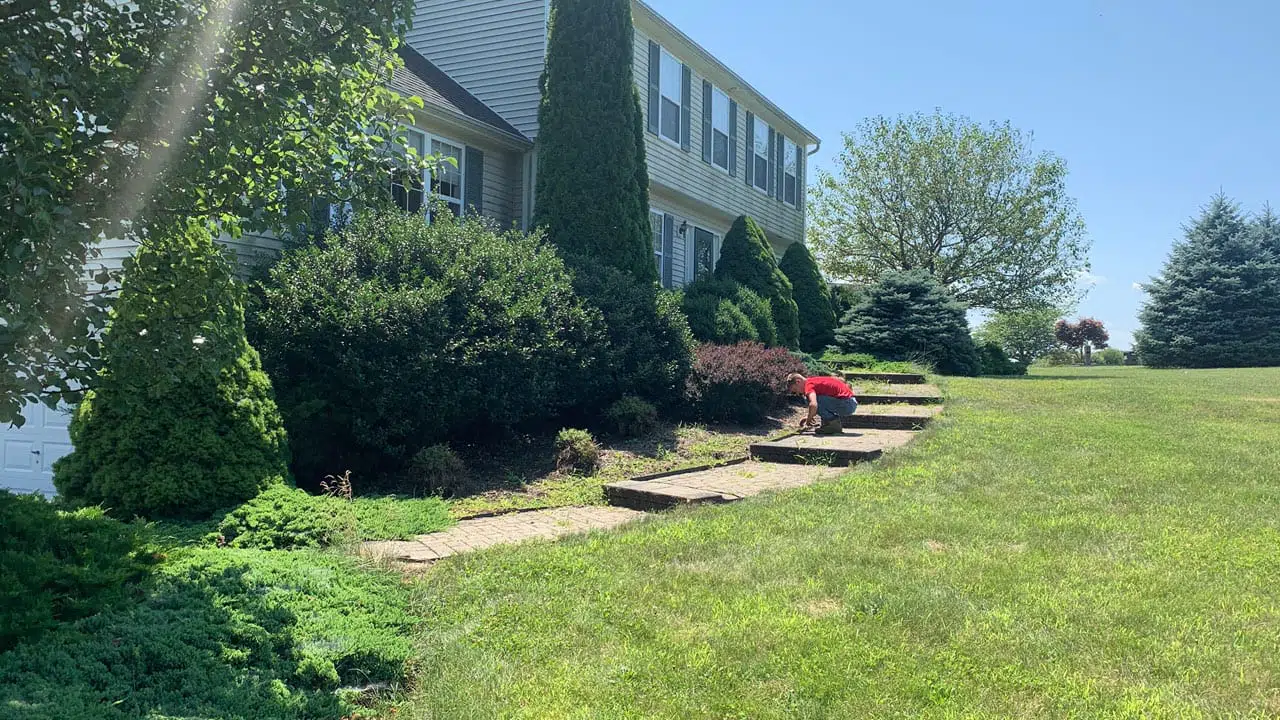

Your first winter as a homeowner is coming, and if you’re feeling a little nervous about what lies ahead, you’re not alone. Between managing snow removal logistics and protecting your new outdoor investment, it’s easy to feel overwhelmed. The difference between a stressful winter and a smooth one often comes down to simple preparation. With a solid plan for how to prepare your yard for snow removal, you can walk into the season feeling confident and spare yourself some expensive headaches down the road.
The truth is, most winter yard damage happens not because homeowners don’t care, but because they don’t realize that preparation matters more than reaction. When snow and ice arrive, your yard is either ready or it’s not. There’s rarely an in-between. That’s why the weeks leading up to winter are your golden opportunity to set yourself up for success. Learn more about preparing your lawn for winter in Connecticut to understand exactly what your property needs.
Why Winter Yard Preparation Matters More Than You Think
It might seem counterintuitive, but the real landscaping work happens in autumn, not January. When you take time now to clear debris, trim branches, and remove obstacles from your driveway and lawn, you’re essentially giving your landscaping team the chance to do their job safely and effectively. Whether that’s you with a shovel or a professional crew, preparation makes all the difference.
Without proper preparation, snow removal becomes dangerous, slow, and potentially damaging to your plants and hardscapes. Hidden branches can snap under heavy snow load. Unmarked lawn furniture can get buried or damaged by plows. Debris-filled gutters become ice dams that threaten your home’s structure.

Your Winter Yard Prep Checklist for Step-by-Step Success
Clear and Remove Debris From Your Yard
Start with the basics. Walk your property and pick up anything that won’t survive a Connecticut winter or might interfere with snow removal, including lawn chairs, garden hoses, decorative stakes, planters, and fallen branches. These items aren’t just clutter. They’re obstacles that snow plows and leaf removal equipment can’t navigate around.
Pay special attention to low-lying debris near your driveway and walkways. A branch half-buried in leaves might seem harmless, but once snow arrives, it becomes a hazard for both you and professionals trying to clear your space safely.
Trim Back Trees and Shrubs Before Heavy Snow
One of the most common mistakes first-time homeowners make is waiting until after a heavy snowstorm to trim overhanging branches. By then, it’s too late. Branches weighted with ice and snow can snap, sometimes taking power lines or damaging your roof with them. The time to trim is now.
Look for branches that hang over your driveway, walkway, or roof. Anything that could break under winter stress should be pruned back at least 6 to 8 feet from your home. In the Fairfield County area, this is especially important given our region’s tendency for wet, heavy snow that adds significant weight to branches. Professional tree trimming and pruning services can handle extensive work if your trees need significant attention.
Mark Your Driveway Edges With Reflective Markers
Here’s something that seems small but makes an enormous difference. Mark your driveway edges clearly. If you don’t, snow plow operators, even experienced professionals, can accidentally encroach onto your lawn or plantings. Once winter vegetation is buried, they can’t see where your lawn ends and your driveway begins.
Use simple reflective markers or stakes spaced every 8 to 10 feet along both sides of your driveway. This small step protects your landscaping and gives whoever is clearing your snow clear guidance on where to push that snow.
Protect Vulnerable Plants and Hardscapes From Winter Damage
Delicate shrubs and newly planted trees need extra consideration before winter arrives. Wrapping young trees and tender shrubs with burlap helps shield them from snow damage and winter wind. For expensive hardscapes like newly installed patios or decorative walls, consider how snow removal equipment will navigate around them.
Move planters away from areas where snow will be pushed. Leave space between hardscapes and where snow piles will end up. These thoughtful moves now prevent costly repairs in spring. For detailed strategies on protecting your outdoor living spaces and hardscapes during winter, consider consulting with a professional who understands seasonal challenges.
Move and Secure Outdoor Furniture and Seasonal Décor
Outdoor sofas, fire pit seating, and decorative elements should be stored or covered well before heavy snow. Snow, ice, and repeated freeze-thaw cycles are brutal on materials. Even “weather-resistant” furniture holds up better when given a break during the harshest months.
Understanding Your Snow Removal Options and Methods
As winter approaches, understanding how snow removal works and its potential impact on your yard helps you make informed decisions.
Professional snow removal services are efficient and protective when done right. Experienced crews know where to push snow safely and how to avoid damaging landscaping. They have the equipment to handle heavy accumulations without creating compaction issues on your lawn. The trade-off is cost, but for first-time homeowners juggling new responsibilities, the peace of mind often justifies the investment.
Salt and de-icing methods come with their own considerations. Rock salt is affordable and effective at melting ice, but it can harm plants, contaminate soil, and damage hardscapes over time. Calcium chloride is less damaging to vegetation and concrete but costs more. Many homeowners in the region are shifting toward alternative de-icers that are plant-friendly and environmentally responsible.
DIY snow removal saves money but demands physical effort and safety awareness. Shoveling is effective for light snow, but Connecticut’s heavier, wetter snow can be exhausting and risky, especially on sloped driveways or roofs.

Protecting Your Lawn and Grass Throughout the Winter Season
Your grass doesn’t need much once it goes dormant, but it also shouldn’t be neglected. Avoid walking on frozen, snow-covered grass whenever possible. The damage isn’t always immediately visible, but those compacted areas often struggle to recover in spring.
If ice patches form on your lawn, avoid using excessive salt. Instead, apply a plant-friendly de-icer or simply let nature take its time. Your yard is tougher than you think and will bounce back. To learn how to best maintain your lawn through the cold months, explore comprehensive lawn care and maintenance information for the specific needs of Connecticut properties.
Common Winter Mistakes Homeowners Should Avoid
First-time homeowners often make these preventable errors. Piling snow directly against your home’s foundation causes melting and water damage. Neglecting ice dam prevention in gutters can lead to interior leaks. Assuming your lawn won’t need any attention until spring allows damage to compound. Underestimating how much planning ahead actually prevents stress is another common pitfall.
The easiest fix is this. Don’t wait until the first snowstorm to figure things out. If you’re feeling overwhelmed by all these tasks, that’s completely normal. It’s exactly why professional landscapers exist.
Getting Ready and Feeling Confident for Winter
Your first winter doesn’t have to be stressful. The steps you take today include clearing debris, marking edges, trimming branches, and moving obstacles. None of these tasks are complicated. They just require a little forethought. Many homeowners across Brookfield, Bridgewater, Newtown, Danbury, and Bethel discover that how to prepare your yard for snow removal is simply a matter of being intentional and systematic.
Brothers Outdoor Services operates in Brookfield, Bridgewater, Newtown, Danbury, and Bethel, offering yard preparation and snow removal services. You can reach them at (475) 777-3293, visit brothersoutdoorservices.com, learn more about their team, or view their service area details.
Frequently Asked Questions
What should I do to prepare my yard for snow removal before winter?
Start by clearing leaves and debris, trimming overhanging branches about 6 to 8 feet away from your home, marking driveway edges with reflective markers, protecting sensitive plants with burlap, and moving outdoor furniture out of the way. These steps help protect your landscaping and allow snow removal crews to work safely and efficiently.
Why is marking driveway edges important for snow removal?
Reflective markers show snow plow operators exactly where your driveway ends and your lawn or landscaping begins. Without markers placed every 8 to 10 feet, plows can drift into turf or beds, causing unnecessary damage. This small step can save you from costly repairs in spring.
What common winter mistakes do first time homeowners make?
Common mistakes include piling snow against the foundation, which can lead to water issues, ignoring gutter ice buildup, assuming the lawn needs no attention until spring, and underestimating how much preparation helps. Planning ahead before snowfall reduces stress and prevents avoidable damage.