March arrives in Fairfield County and suddenly the itch to get outside is real. The snow is (mostly) gone, the days are getting longer, and you’re looking at your yard wondering if now is the right time to finally move forward on that patio you’ve been thinking about since last October. If you’ve been hesitating, unsure whether to call a landscaper or wait another few weeks, this is for you. The short answer? It’s not too early. In fact, for spring landscaping projects in Connecticut, starting in March puts you ahead of the rush and sets the stage for a beautiful outdoor space by the time warmer weather fully arrives.
How Connecticut’s Climate Shapes Spring Landscaping Timing
Connecticut landscaping doesn’t follow a universal calendar. Fairfield County sits in USDA Hardiness Zones 6a and 6b, which means our last average frost typically falls somewhere between mid-April and early May depending on the year. That window matters when it comes to planting decisions, but it doesn’t mean nothing can happen before then.
Soil conditions tell a more nuanced story. Early spring soils are often still cold and occasionally saturated from snowmelt, which rules out certain tasks but opens the door for others. Hardscape installations like patios, walkways, driveways, and retaining walls can move forward as soon as the ground is workable. Cleanup work, mulching, and structural pruning are all well within range. The key is reading the conditions correctly, which is where working with an experienced team makes a genuine difference.
What Landscaping Tasks Are Actually Ideal for Early Spring?
Not everything has to wait for consistent 60-degree days. Here’s a practical breakdown of what works well in March and early April in our area:
Ready to go right now:
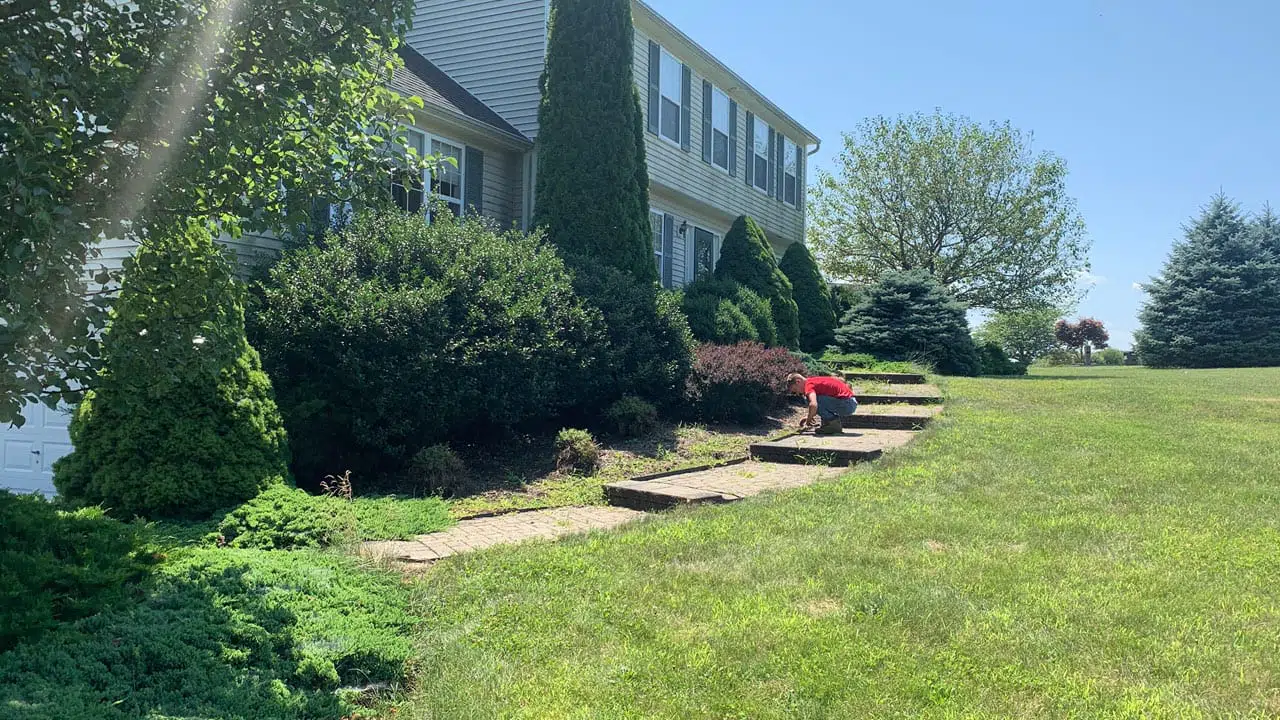
- Spring cleanups, including removing debris, dead foliage, and leftover leaves that didn’t get tackled in fall
- Mulching, applying a fresh layer around beds and trees before weeds take hold
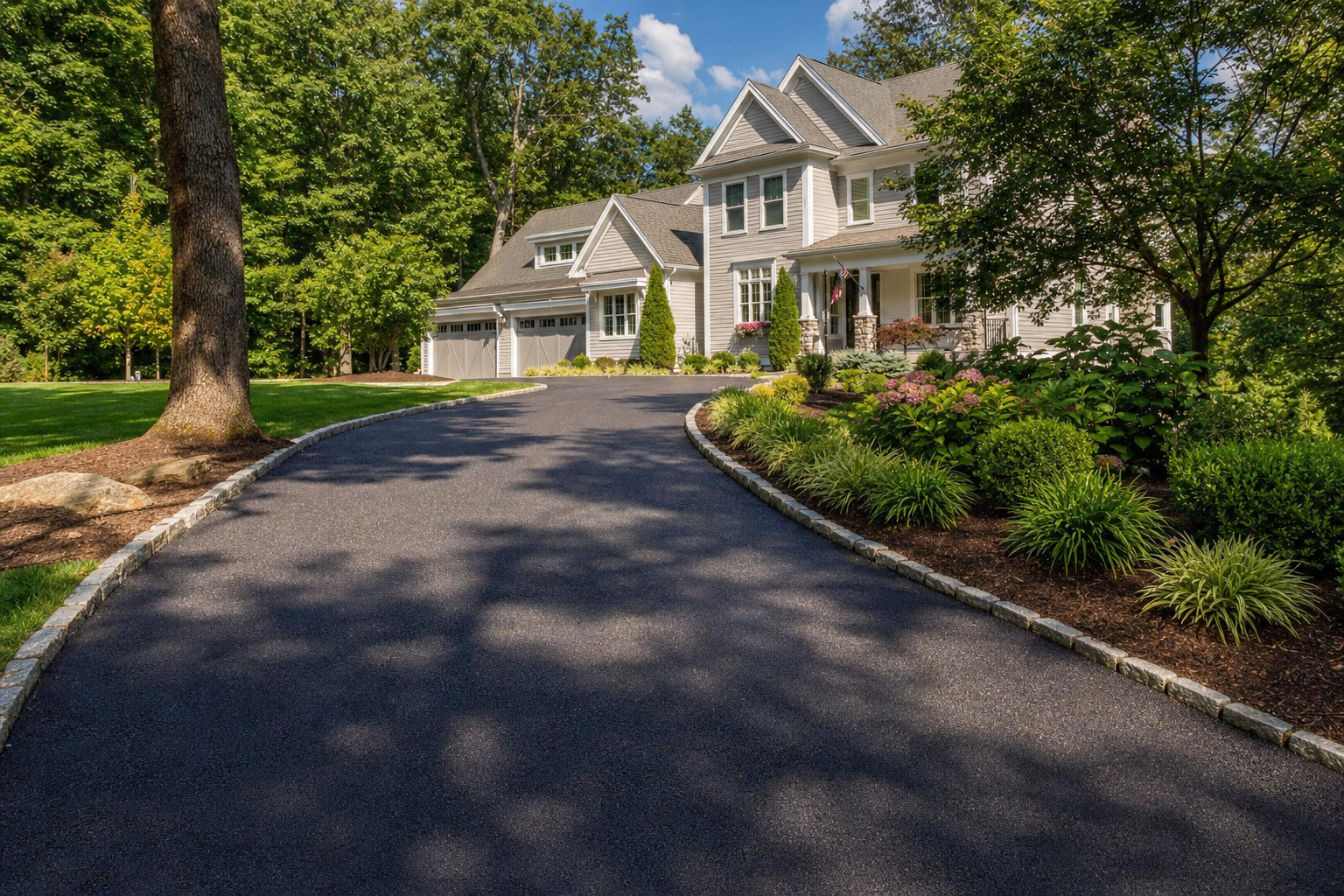
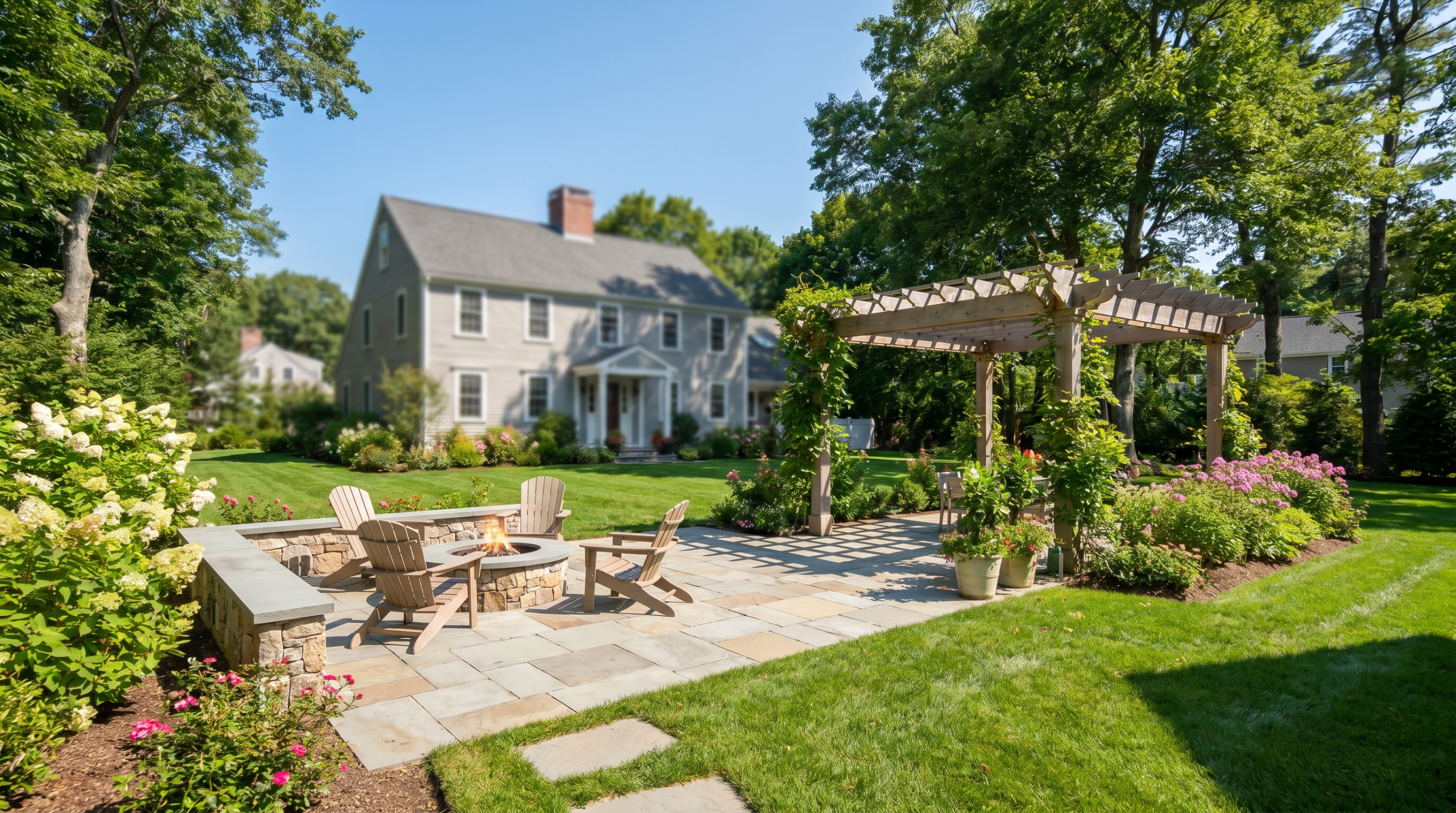
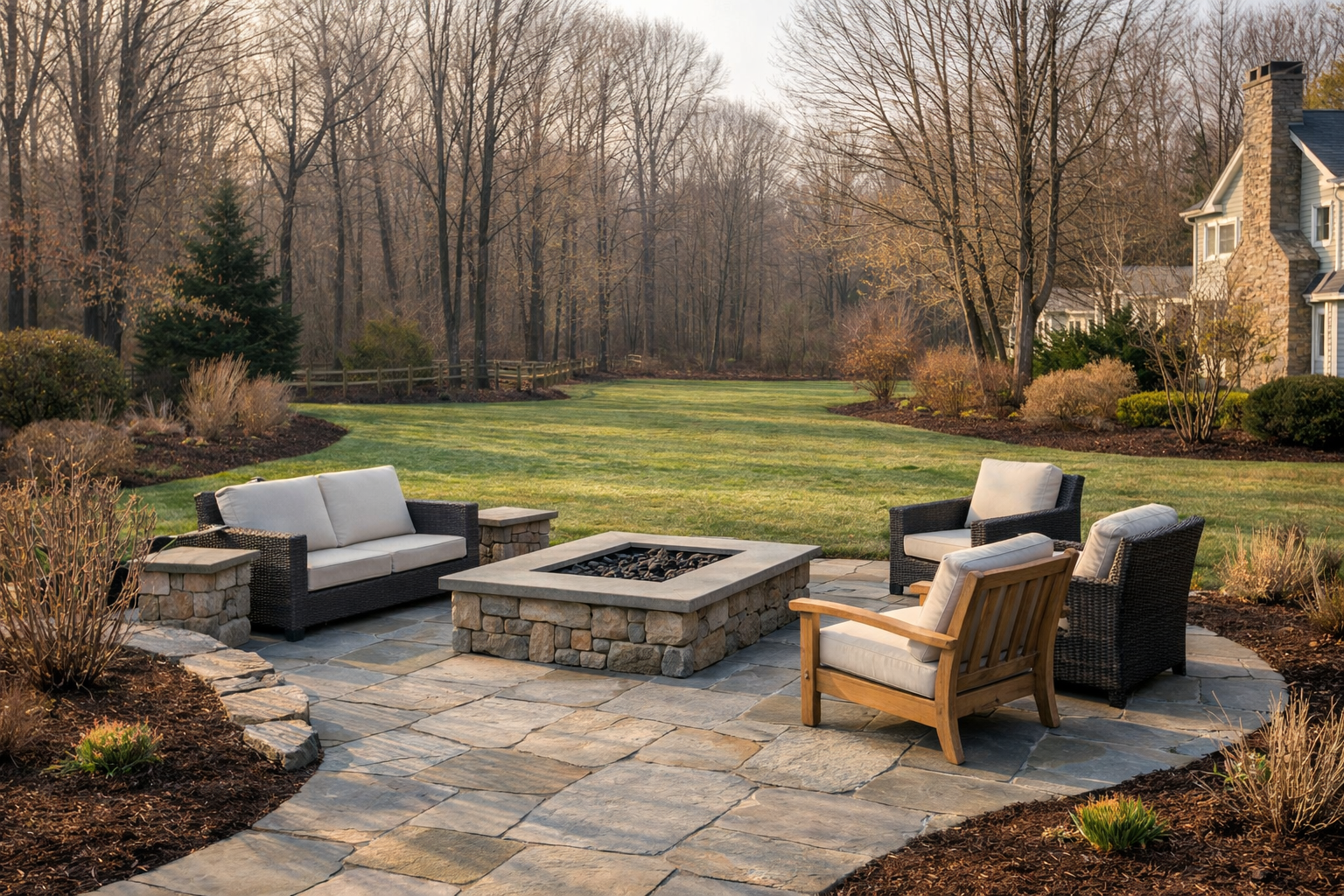
- Hardscape installation, including patios, walkways, fire pits, retaining walls, and seating areas
- Plant trimming and pruning, since late winter is actually the ideal window for many shrubs and ornamental trees before new growth emerges
- Landscape design consultations and renderings
Timing-dependent (typically mid-April through May):
- Planting trees, shrubs, and perennials
- Overseeding or aeration
- Installing new softscape beds
- Seasonal color plantings
Getting the early-season tasks done first means the rest of the schedule flows more smoothly. When cleanup and hardscape work are already behind us by late April, we can pivot directly into planting and lawn work without delays.

Should You Schedule a Landscape Design Consultation Now or Wait?
Now. Without question, now.
Here’s why: spring is the busiest season in Connecticut landscaping, and design-forward companies book up fast. Waiting until May to start the conversation often means pushing your project into summer or later. Scheduling a consultation in March means you have time to review detailed designs and renderings, refine the plan, source materials, and get on the calendar before the peak rush.
For homeowners who want a thoughtful, personalized outdoor space rather than just a quick fix, the planning phase is where the real work happens. Whether you’re considering a new patio and fire pit for entertaining, a complete landscape redesign, or just a more cohesive softscape plan, that vision takes time to develop well. Starting early gives us the room to do it right.
At Brothers Outdoor Services, we’ve been doing this since 1999, and every year we see the same pattern: the homeowners who reach out in late winter or early March get the designs they actually want. Those who wait until late spring often have to compromise on scheduling or scope.
Start your spring landscape plan here and we’ll get a consultation on the books.

Getting Ahead in a Busy Season
Spring in Fairfield County moves fast. One week the trees are bare and the next the forsythia is blooming and everyone is scrambling to get their yards in shape. The homeowners who feel the most confident, and whose properties look the best by June, are almost always the ones who started planning in late winter rather than waiting for a warm weekend to prompt them.
If you’ve been thinking about a landscape project, a fresh cleanup, or even just a better sense of what your outdoor space could become, March is a great time to take that first step. Our team at Brothers Outdoor Services is currently scheduling spring consultations across Brookfield, Bridgewater, Newtown, Danbury, and Bethel. Give us a call at 475-777-3293 or schedule a consultation through our Google Business Profile to get started. The season is coming, so let’s make sure you’re ready for it.
Frequently Asked Questions
Is it worth scheduling a landscape design consultation in early spring?
Yes. Spring is the busiest season for landscaping companies in Connecticut. Scheduling early helps secure a spot on the calendar before demand peaks. It also allows time for design development, material selection, and planning plant installations at the proper time. View our designs and renderings process.
How does Fairfield County soil affect spring landscaping timing?
Fairfield County soils often contain a high amount of clay, which means they hold moisture longer in early spring. This can delay planting work slightly, but it usually does not impact hardscape installations or cleanup projects. A local landscaping team can help schedule work appropriately based on your property’s soil conditions.
What are the benefits of early spring mulching in Connecticut?
Applying mulch before weeds begin to grow helps reduce weed pressure throughout the season. Mulch also insulates soil, holds moisture, and improves the overall appearance of landscape beds. A layer about two to three inches deep is generally recommended. Learn more about our mulching and weed control services.