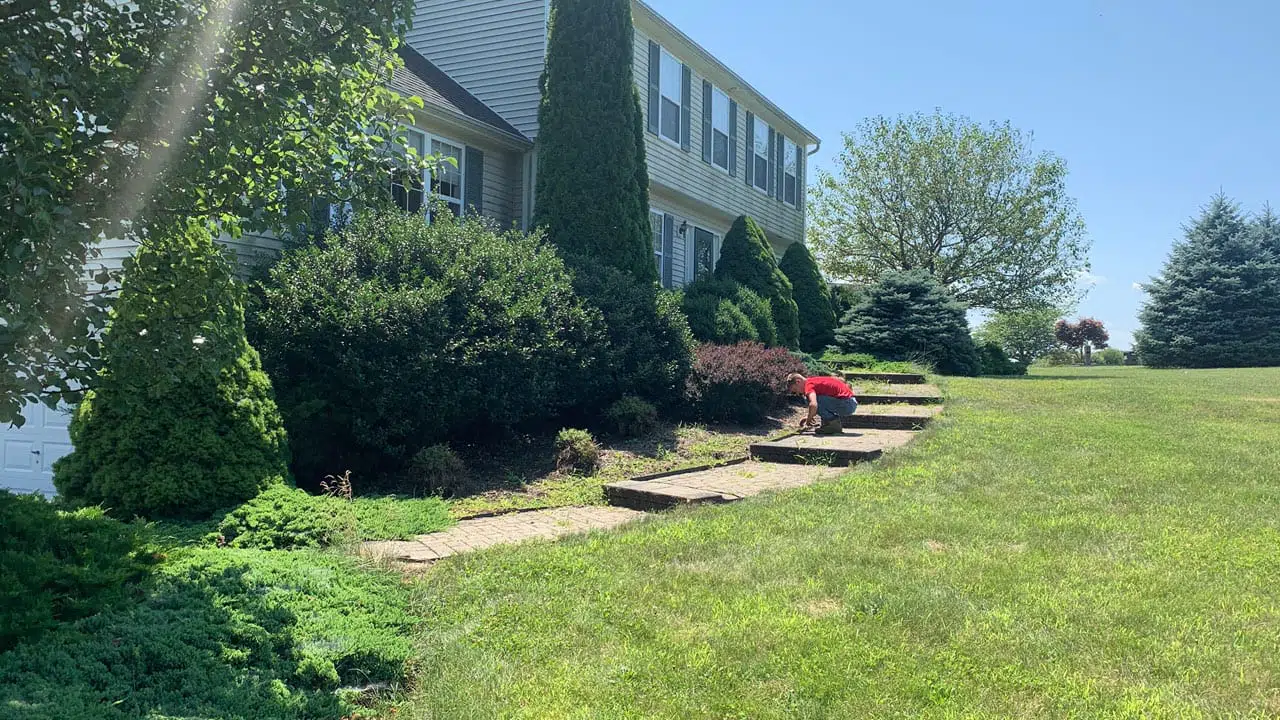

January may not seem like the busiest time for landscaping, but it’s a critical period for laying the groundwork for a healthy and thriving landscape come spring. The cold months present unique challenges, such as protecting plants from freezing temperatures, controlling winter weeds, and preparing your soil for new growth.
In this guide, we’ll explore essential maintenance tasks like mulching, weed control, and plant care that help safeguard your landscape during the colder season. These strategies are designed to minimize damage from the elements while keeping your outdoor space in optimal condition for the growing season ahead.
Let’s dive into the steps you can take now to protect and enhance your landscape through the cold months.
Mulching: A Shield for Your Soil and Plants
Mulching isn’t just a summer task; it plays an essential role in winter landscape maintenance. By adding a fresh layer of mulch to garden beds and around trees, you create a protective barrier against freezing temperatures and harsh winds. Here’s why it’s important during the cold months:
- Temperature Regulation: Mulch helps insulate the soil, keeping it warmer during frosty nights and reducing temperature fluctuations that can stress plant roots.
- Moisture Retention: Winter winds can dry out exposed soil. Mulch helps retain moisture, ensuring your plants’ roots remain hydrated even when watering isn’t frequent.
- Weed Suppression: While weeds may seem less aggressive in January, they can still grow during milder spells. A thick layer of mulch prevents their seeds from germinating.
Pro Tip for Brookfield and Surrounding Areas
Opt for organic mulches like shredded bark, straw, or pine needles, which break down over time and enrich the soil. Spread a layer about 2–4 inches thick but keep it slightly away from the base of plants to prevent rot.
By addressing these aspects now, you’ll ensure healthier soil and better plant conditions when spring arrives.
Weed Control: Staying Ahead of Unwanted Growth
Weeds might not be the first thing on your mind during the cold months, but they can still make a surprise appearance when temperatures rise slightly. Taking preventative steps now ensures your landscape remains clean and prepared for spring planting.
Why Winter Weed Control Matters
- Cold-Season Germination: Some weed species, like chickweed and henbit, thrive in cooler weather. These opportunistic plants can take over if left unchecked.
- Soil Health Protection: Weeds compete with dormant plants for essential nutrients, weakening your soil’s ability to support new growth.
- Less Work in Spring: Addressing weed growth now prevents the overwhelming task of clearing out mature weeds later.
Methods for Effective Winter Weed Management
- Hand Pulling: After rain or a thaw, the soil becomes soft, making it easier to remove weeds by hand.
- Mulch Layers: As discussed earlier, a thick layer of mulch acts as a natural barrier against weeds.
- Targeted Herbicides: For larger areas, applying an herbicide safe for winter use can effectively manage growth without harming dormant plants.
Tackling weeds in January saves time and effort when the growing season begins, keeping your yard in peak condition.

Protecting Plants: Preparing Your Greenery for the Cold
Even in the dormant season, your plants need attention to withstand the challenges of freezing temperatures, icy conditions, and fluctuating weather. Proper care now can reduce stress on plants and set the stage for vibrant growth in the months ahead.
Key Steps for Plant Care in the Cold Months
- Inspect for Damage: Examine trees, shrubs, and plants for signs of winter injury, such as cracked bark or broken branches. Prune any damaged areas carefully to prevent further stress.
- Cover Vulnerable Plants: Use burlap or frost blankets to shield delicate shrubs and young trees from extreme cold and windburn. Anchor coverings securely to prevent them from blowing away.
- Apply Anti-Desiccants: Evergreen shrubs lose moisture through their needles, even in winter. Spraying an anti-desiccant helps lock in moisture and prevents drying out.
- Avoid Overwatering: Plants require less water in the cold, but they still need occasional hydration. Water only during milder days when the ground isn’t frozen, and focus on the root zones.
Brookfield Tip
Consider grouping potted plants together in a sheltered area or wrapping their containers with insulating materials like burlap to protect roots from freezing temperatures.
This proactive approach ensures your landscape’s plants remain healthy, resilient, and ready to flourish once spring returns.
Planning Ahead: Preparing for Spring Success
The cold months are the perfect time to set your landscape up for a thriving growing season. Use this downtime to:
- Enhance Your Design: Plan features like fire pits, walkways, or fresh plantings, and work with professionals to finalize designs and materials.
- Test and Enrich Soil: Identify nutrient gaps and improve soil quality with compost or winter-friendly amendments.
- Schedule Maintenance Tasks: Book spring services like aeration and overseeding early to avoid the seasonal rush.
By planning ahead, you’ll ensure a vibrant and well-maintained yard when the weather warms.

Your Landscape Deserves Year-Round Care
Maintaining your landscape during the cold months isn’t just about surviving the season—it’s about thriving in the next. By focusing on tasks like mulching, weed control, plant care, and planning ahead, you can protect your outdoor space and set it up for vibrant growth in spring.
Whether you need expert advice or hands-on assistance, Brothers Outdoor Services is here to help. From essential winter maintenance to preparing for future projects, our team ensures your landscape remains in peak condition year-round. Contact us today at 475-777-3293 to schedule your service or discuss your landscape goals.
Frequently Asked Questions
1. Do I really need to mulch in winter if I already did it in the fall?
Yes! A fresh layer of mulch in winter helps insulate soil, protects plant roots from freezing temperatures, and retains moisture during dry, cold months. It also suppresses any weeds that may germinate during milder periods.
2. Are weeds really a problem during the colder months?
Absolutely. While many weeds slow their growth in winter, certain types, like chickweed and henbit, thrive in cooler weather. Addressing them now prevents nutrient competition and saves you from dealing with a bigger problem in spring.
3. How do I know if my plants are suffering from winter damage?
Signs of winter damage include cracked bark, broken branches, or browning foliage on evergreen plants. Regular inspections can help you identify these issues early and take corrective measures like pruning or applying anti-desiccants.
4. Can I skip winter landscape care and just focus on spring?
While it might be tempting, neglecting winter maintenance can lead to more work in spring and potentially damage your landscape. Tasks like mulching, weed control, and protecting plants now help ensure a healthier and more vibrant yard when warmer weather returns.